Jadeite vs. Nephrite: The Ultimate Guide to Taiwanese Jade & Its Value
Unlock the secrets of jade: explore the core differences between Jadeite vs. Nephrite, understand valuation factors, and discover the unique significance of Taiwanese jade. An essential guide for buyers and collectors.
Also available in 繁體中文
Jadeite vs. Nephrite: The Ultimate Guide to Taiwanese Jade & Its Value
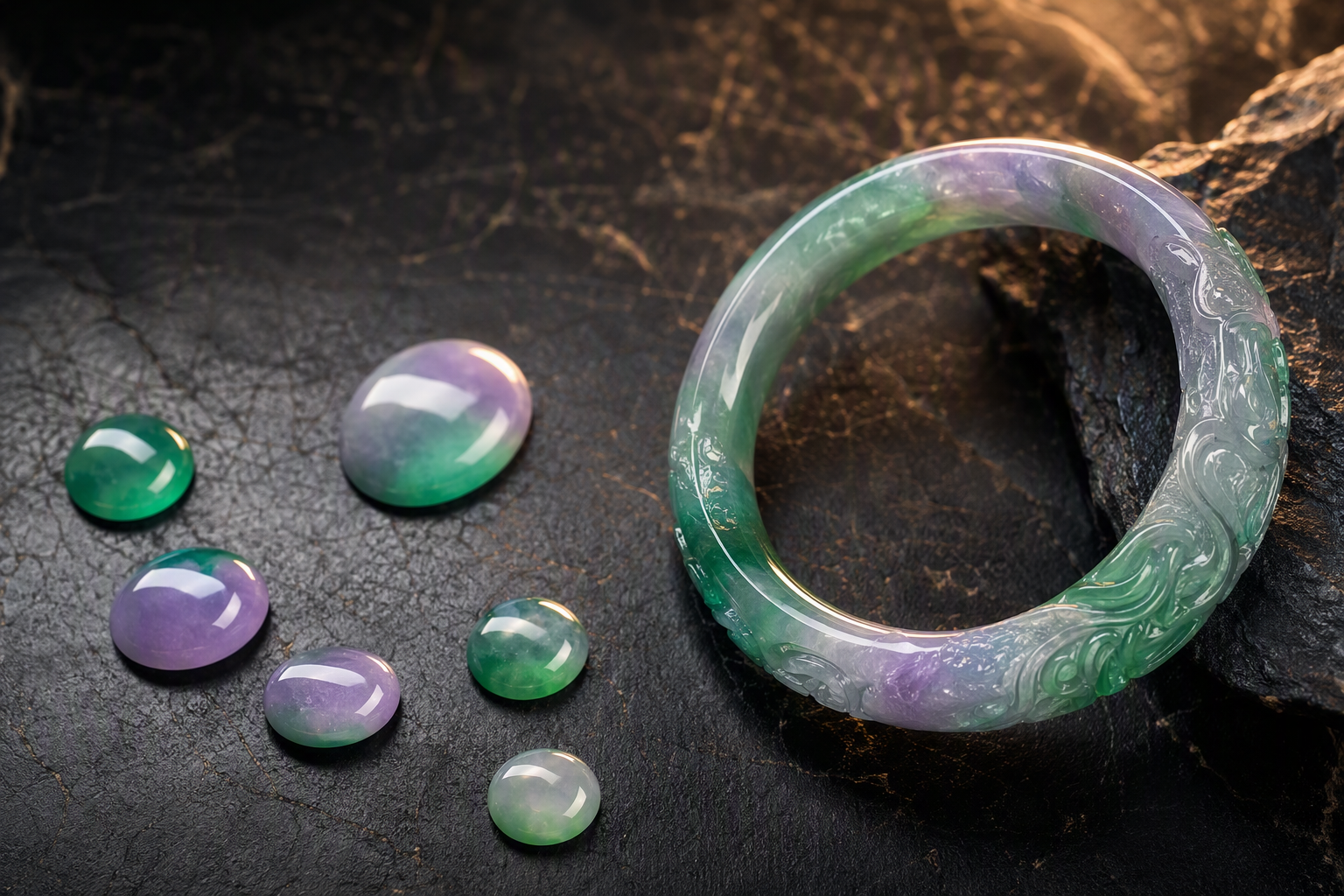
Jade has captivated humanity for millennia, revered across cultures for its beauty, durability, and symbolic significance. However, the term "jade" itself is a broad classification that encompasses two distinct minerals: jadeite and nephrite. While both are cherished, understanding the fundamental differences between jadeite vs. nephrite is crucial for any serious buyer, collector, or professional in the gemstone market, especially when considering the unique qualities of Taiwan jade. Misinformation can lead to significant valuation errors, making informed discernment paramount.
This comprehensive guide will demystify the world of jade. We'll delve into the scientific and visual distinctions that set jadeite and nephrite apart, examine the critical factors that determine the value of high-quality jade, and shine a spotlight on the historical and contemporary importance of Taiwanese jade in the global market. Whether you're a seasoned collector or new to the allure of this magnificent stone, you'll gain the expertise needed to appreciate and evaluate jade with confidence.
Core Differences: Unpacking Jadeite vs. Nephrite
While both jadeite and nephrite are robust, tough gemstones, they are distinct minerals with different compositions, properties, and market values. Knowing these differences is the cornerstone of understanding jade.
Mineralogical Composition and Structure
At a fundamental level, jadeite and nephrite belong to different mineral groups.
- Jadeite is a pyroxene mineral, a sodium aluminum silicate. Its crystalline structure is granular and interlocking, contributing to its exceptional toughness.
- Nephrite is an amphibole mineral, a calcium magnesium iron silicate. Its structure is fibrous and densely matted, which also grants it remarkable toughness, albeit slightly less so than jadeite.
This difference in composition directly impacts their physical properties, which in turn influences their appearance and rarity.
Hardness, Density, and Luster
These physical properties are key indicators in distinguishing between the two types of jade:
- Hardness (Mohs Scale): Jadeite generally ranges from 6.5 to 7 on the Mohs scale, making it slightly harder than nephrite, which typically falls between 6 and 6.5. This difference, while subtle, means jadeite can scratch nephrite, though both are durable enough for daily wear.
- Density (Specific Gravity): Jadeite is denser than nephrite. Its specific gravity ranges from 3.30 to 3.38, while nephrite's is typically between 2.90 and 3.03. This can be felt by experienced handlers, as jadeite pieces of the same size will feel perceptibly heavier than nephrite.
- Luster: Jadeite often exhibits a vitreous (glassy) luster when polished, sometimes approaching sub-vitreous. Nephrite, on the other hand, tends to have a more greasy, waxy, or resinous luster, giving it a softer visual appeal.
Color Range and Transparency
The visual distinctions are often the most apparent to the naked eye:
- Color Palette: Jadeite boasts a broader and more vibrant color spectrum, including the highly prized "Imperial Green" (an emerald-like deep green), lavender, red, yellow, black, and white. Nephrite's palette is generally more subdued, featuring creamy whites, spinach greens, dark greens, and brownish tones. While both can be green, jadeite's greens are often more intense and vivid.
- Transparency: High-quality jadeite can exhibit exceptional translucence, allowing light to penetrate and diffuse beautifully. The most valuable jadeite is often semi-transparent to translucent. Nephrite is typically more opaque to semi-translucent, rarely achieving the same level of gem-quality translucency as fine jadeite.
Understanding these fundamental differences helps in appreciating why jadeite, especially the rare "Imperial Green," commands significantly higher prices in the market than nephrite, although both have their unique beauty and cultural importance.
Characteristics of High-Quality Jade and Valuation Factors
Whether you're evaluating jadeite or nephrite, certain universal factors determine its quality and market value. These characteristics are critical for both buyers and sellers, defining what makes a piece truly exceptional.
The "4 Cs" of Jade (and Beyond)
While the "4 Cs" (Color, Clarity, Cut, Carat Weight) are commonly associated with diamonds, they apply to jade with specific nuances:
- Color: This is arguably the most crucial factor for jade.
- Hue: The specific shade (e.g., green, lavender, white).
- Saturation: The intensity or purity of the color. Highly saturated, vibrant colors are preferred.
- Tone: The lightness or darkness of the color. A medium tone is often ideal.
- For jadeite, the most valuable color is "Imperial Green"—a vivid, emerald-like green that is consistently distributed. For nephrite, rich spinach green and pure mutton-fat white are highly prized.
- Transparency (Clarity/Texture): Unlike diamonds where clarity means absence of inclusions, for jade, transparency refers to how light passes through the stone.
- High-quality jadeite can be semi-transparent to translucent, allowing light to glow within the stone. This "glow" is highly desirable.
- Nephrite is typically opaque to semi-translucent. Its texture, referring to the fineness of its grain, also plays a role; finer, more even textures are preferred.
- Cut (Craftsmanship): The skill of the cutter transforms the raw material into a work of art.
- A good cut should maximize the stone's color and transparency, showcasing its best features.
- It should be symmetrical, well-proportioned, and free from awkward angles or thin spots that might weaken the stone.
- The quality of polish also contributes significantly to the final luster.
- Carat Weight (Size): As with other gemstones, larger pieces of high-quality jade are rarer and thus command higher prices, assuming other factors are equal. However, quality always trumps mere size.
Treatments and Authenticity
The market for gems Taiwan and elsewhere contains both natural and treated jade. Understanding treatments is vital:
- Type A Jade (Natural): This refers to natural jade that has not been chemically treated or dyed. It may undergo traditional processing like waxing to improve luster, which is generally accepted.
- Type B Jade (Polymer-Impregnated): This jade has been bleached with acid to remove impurities, then impregnated with a polymer resin to improve transparency and color uniformity. This is a significant alteration and drastically reduces value.
- Type C Jade (Dyed): This jade has been artificially colored to enhance or change its hue. Dyes can fade over time and significantly devalue the stone.
- Type B+C Jade: A combination of polymer impregnation and dyeing.
Reputable laboratories provide certification to verify the type of jade and detect treatments. For jade, especially high-value pieces, obtaining a gemological report from a trusted institution is strongly recommended. Gemstone Certification in Taiwan: A Guide to Labs (GIA, GRS, SSEF) & Jade FTIR provides a deeper dive into certification processes available in the region. Always seek out transparent sellers and certified pieces to ensure authenticity and fair value. For current market insights, consulting resources like Real Gemstone Prices in Taiwan (2026): Per Carat Guide for Buyers & Professionals can offer valuable perspectives.
The Significance and Specifics of Taiwanese Jade in the Global Market
Taiwan holds a unique and historically significant place in the world of jade, primarily known for its distinctive nephrite. Often referred to as "Taiwan Jade" or "Hualien Jade," this material has played a crucial role in both local culture and the international gemstone trade.
The Legacy of Taiwanese Nephrite
Taiwan is one of the few places in the world with significant deposits of high-quality nephrite. The primary source has been the eastern region, particularly around Hualien. This nephrite is characterized by its rich, often dark green color, sometimes mottled with black inclusions, and a slightly oily luster. While it may not possess the vibrant translucence of top-grade Burmese jadeite, Taiwanese nephrite is highly valued for its robust toughness, beautiful range of greens, and cultural significance.
Historically, jade played a central role in Taiwanese indigenous cultures, used for tools, ornaments, and ceremonial objects. In the mid-20th century, Taiwan emerged as a significant producer and carver of nephrite, establishing a reputation for intricate craftsmanship. Although mining has slowed, the legacy of Taiwanese jade continues through its artisans and collectors.
Cultural Importance and Market Position
In Taiwan, jade—whether local nephrite or imported jadeite—is deeply ingrained in cultural traditions. It symbolizes prosperity, longevity, and protection. Jade jewelry and carvings are cherished heirlooms, gifts for special occasions, and objects of artistic appreciation. The market for Taiwan jade is vibrant, encompassing both traditional pieces and contemporary designs.
While jadeite from Myanmar often dominates the high-end international auction market, Taiwanese nephrite holds its own niche. It is particularly popular within Taiwan, mainland China, and among collectors who appreciate the unique characteristics and cultural story behind it. Its relative affordability compared to top-tier jadeite also makes it accessible to a broader range of collectors.
Sourcing and Buying Taiwanese Jade
For those interested in acquiring Taiwanese jade, whether for personal collection or professional trade, understanding the local market is essential. Taipei and other major cities offer various avenues, from specialized boutiques to larger gemstone markets. When sourcing, it's always advisable to:
- Seek Reputable Dealers: Look for established jewelers and galleries with a strong reputation.
- Understand What You're Buying: Be clear whether you're looking at local nephrite or imported jadeite.
- Ask for Certification: Especially for higher-value pieces, request reports from recognized gemological laboratories.
- Visit Local Markets: Exploring places like the jade markets in Taipei can be an immersive experience, but exercising caution and expertise is advised. For a comprehensive guide, refer to Where to Buy Gemstones in Taipei: A Buyer's Guide to Markets & Dealers and Taiwan's Gemstone & Jade Wholesale Markets: Your Professional Sourcing Guide.
Taiwanese jade, with its deep roots and distinctive beauty, remains an important facet of the global gemstone landscape, offering both historical richness and ongoing market appeal.
Frequently Asked Questions About Jade
Q1: Is all green jade "Imperial Jade"?
No. "Imperial Jade" refers specifically to the finest quality jadeite, characterized by an exceptionally vivid, translucent, emerald-green color, often from Myanmar (Burma). Not all green jade is jadeite, and not all green jadeite qualifies as Imperial Jade.
Q2: How can I tell if my jade is real?
The best way to determine if jade is real and untreated is through professional gemological testing. A certified gemologist can identify the mineral (jadeite or nephrite) and detect any treatments (dyeing, polymer impregnation) using specialized equipment. Visual inspection alone can be misleading.
Q3: Why is jadeite generally more expensive than nephrite?
Jadeite is typically rarer, particularly in high-quality, vibrant colors and translucent forms. Its broader color spectrum and higher potential for translucency, especially in "Imperial Green" varieties, contribute to its higher market demand and therefore its higher price compared to nephrite.
Q4: Does "Taiwan Jade" refer to jadeite or nephrite?
"Taiwan Jade" almost exclusively refers to the nephrite jade mined in Taiwan, primarily from the Hualien region. While jadeite is sold in Taiwan, the term "Taiwan Jade" specifically denotes the locally sourced nephrite.
Q5: How should I care for my jade jewelry?
Jade is tough but can be scratched by harder materials. Clean it with mild soap and water, using a soft brush if necessary, and dry it with a soft cloth. Avoid harsh chemicals, extreme temperature changes, and ultrasonic cleaners, which can damage the stone or its settings, especially if it has been treated.
Conclusion
Navigating the world of jade, with its rich history and diverse forms, can be a rewarding journey. Understanding the fundamental distinctions between jadeite vs. nephrite is not merely an academic exercise; it's essential for making informed decisions, appreciating the true value of each stone, and avoiding common pitfalls in the market. From their mineralogical compositions to their visual characteristics and pricing, jadeite and nephrite each offer unique beauty and cultural significance.
Taiwanese jade, predominantly nephrite, holds a special place in this intricate ecosystem, celebrated for its durability, distinct green hues, and profound cultural roots. By familiarizing yourself with the key valuation factors—color, transparency, cut, and treatments—you empower yourself to select pieces of genuine quality and authenticity. Whether you're a collector seeking the finest Imperial Jadeite or an enthusiast drawn to the historical charm of Taiwanese nephrite, knowledge is your most valuable tool. For professionals and serious enthusiasts engaging with the dynamic gemstone markets of Taiwan and beyond, staying informed and connected is paramount. To explore further opportunities and connect with the heart of the gemstone trade in the region, consider the strategic advantage offered by a premium digital asset. Gems.tw: Your Gateway to Taiwan's $1 Billion Gemstone Market highlights the potential for unparalleled authority and reach. For serious inquiries about establishing a dominant digital presence, explore the exclusive opportunity to acquire the domain at /offer/.
Related Resources
- Gemstone guides: jade, sapphire, ruby, emerald, diamond, pearl
- Taiwan gemstone market data and jewelry districts
- Gemstone prices and certification standards
- Bilingual gemology glossary (EN / 繁體中文)
- Directory of gem professionals in Taiwan
Building or expanding a gemstone business in Taiwan? The premium domain Gems.tw is currently available to acquire — make an offer.