Real Gemstone Prices in Taiwan (2026): Per Carat Guide for Buyers & Professionals
Navigate the dynamic Taiwan gemstone market with our 2026 guide to real gemstone prices. Understand per carat benchmarks for rubies, sapphires, emeralds, and jade, crucial for buyers and professionals.
Also available in 繁體中文
Real Gemstone Prices in Taiwan (2026): Per Carat Guide for Buyers & Professionals
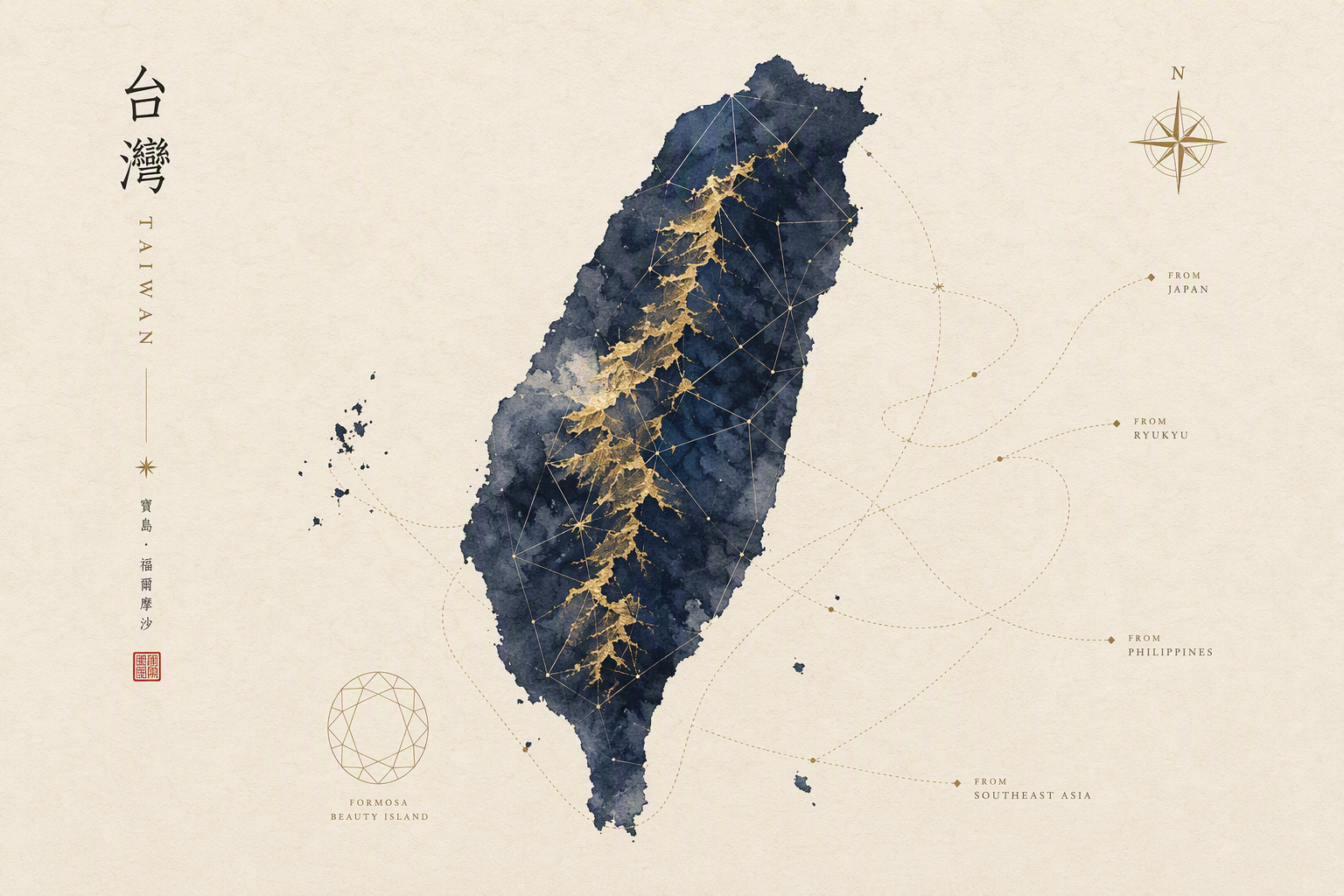
Understanding real gemstone price Taiwan is a critical skill for both astute buyers and seasoned professionals navigating the vibrant market here. Taiwan, a significant hub in the Asia-Pacific gemstone trade, presents a unique blend of global supply and local demand, influenced heavily by cultural preferences, particularly for jade. The per carat price of gemstones can fluctuate wildly based on numerous factors, making informed valuation an art and a science.
This comprehensive guide for 2026 aims to demystify gemstone pricing in Taiwan. We'll delve into the key variables that influence a stone's value, provide realistic price benchmarks for popular gems like rubies, sapphires, emeralds, and crucially, offer insights into the complex world of jade valuation. Whether you're looking to make a personal purchase or sourcing for your business, knowing what affects carat price Taiwan will empower you to make smarter decisions and secure the best value. Let's explore the intricacies of gemstone valuation in this dynamic market.
Factors Influencing Gemstone Pricing in the Taiwan Market
The gemstone valuation Taiwan process is rarely straightforward, as prices are influenced by a confluence of global trends, local dynamics, and intrinsic gemological characteristics. For buyers and professionals alike, a clear understanding of these factors is paramount to accurately assessing a stone's worth and predicting its gemstone price Taiwan.
1. The 4 Cs (and Beyond) for Colored Gemstones: While commonly associated with diamonds, the "4 Cs"—Color, Clarity, Cut, and Carat Weight—are fundamental to pricing most colored gemstones. For instance, a ruby's vivid 'Pigeon's Blood' red will command a significantly higher price than a duller stone of the same weight. Clarity, though less emphasized than color for many colored gems, still plays a role, especially for transparent stones. The cut affects brilliance and light return, while carat weight often sees price jumps at significant psychological thresholds (e.g., 1-carat, 2-carat). However, for colored gemstones, the origin and presence of treatments add further layers of complexity, sometimes outweighing the 4 Cs in influence.
2. Origin and Rarity:
The source of a gemstone can dramatically impact its value. Rubies from Myanmar (Burma), sapphires from Kashmir or Sri Lanka, and emeralds from Colombia often carry a premium due to their historical prestige, unique color characteristics, and rarity. Dealers in Taiwan often highlight these origins, which can significantly drive up the carat price Taiwan. Beyond origin, the overall rarity of a specific type or quality of gemstone also contributes to its market value.
3. Treatments and Enhancements:
Many gemstones undergo treatments to enhance their appearance, such as heat treatment for rubies and sapphires, or oiling for emeralds. While some treatments are accepted industry practices (and should always be disclosed), undisclosed or unstable treatments can severely devalue a stone. Transparency regarding treatments, often confirmed through reputable laboratory reports, is essential for fair gemstone valuation Taiwan.
4. Certification and Lab Reports:
Independent gemological reports from respected institutions like GIA, GRS, SSEF, or AGL are non-negotiable for high-value gemstones. These reports confirm identity, origin, and presence of treatments, providing crucial confidence and affecting the gemstone price Taiwan. In Taiwan, access to such labs is robust, and professionals rely on these certifications to establish trust and value. For more on this, consult our guide on Gemstone Certification in Taiwan: A Guide to Labs (GIA, GRS, SSEF) & Jade FTIR.
5. Local Demand and Cultural Significance: Taiwan's market has specific preferences. Jade, in particular, holds immense cultural significance, leading to a strong local demand that shapes its pricing differently from other gemstones. Consumer trends, economic conditions, and local festivals can also create temporary price shifts.
Current Price Benchmarks for Popular Gems by Grade (Rubies, Sapphires, Emeralds)
While exact prices are fluid and depend on direct negotiation and market conditions, establishing benchmarks for gems Taiwan can provide a valuable starting point. These per carat price ranges for 2026 are for loose, unmounted, natural gemstones of commercial to fine quality, assuming standard heat treatment for rubies and sapphires, and minor oiling for emeralds, where applicable and disclosed. Untreated stones of exceptional quality will command significant premiums.
Rubies (Natural, Heat Treated)
| Quality Grade | Color | Clarity | Carat Range | Estimated Per Carat Price (USD) |
|---|---|---|---|---|
| Commercial | Medium Red | Visible inclusions | 0.5 - 1.5 ct | $200 - $800 |
| Fine | Strong Red | Minor inclusions | 0.5 - 2.0 ct | $800 - $3,000 |
| Exceptional | Vivid "Pigeon's Blood" Red | Eye-clean | 1.0 - 5.0+ ct | $3,000 - $20,000+ |
Note: Untreated, unheated rubies from prime origins like Mogok (Myanmar) or Mozambique, especially with "Pigeon's Blood" color and eye-clean clarity, can exceed $50,000 - $100,000+ per carat for larger sizes.
Sapphires (Natural, Heat Treated)
| Quality Grade | Color | Clarity | Carat Range | Estimated Per Carat Price (USD) |
|---|---|---|---|---|
| Commercial | Medium Blue | Visible inclusions | 1.0 - 3.0 ct | $150 - $600 |
| Fine | Vivid "Royal Blue" or "Cornflower Blue" | Minor inclusions | 1.0 - 5.0 ct | $600 - $4,000 |
| Exceptional | Intense, saturated "Royal Blue" | Eye-clean | 3.0 - 10.0+ ct | $4,000 - $25,000+ |
Note: Unheated sapphires from Kashmir, Ceylon (Sri Lanka), or Burma with exceptional color and clarity are extremely rare and fetch significantly higher prices, often reaching six figures per carat for large, top-quality stones.
Emeralds (Natural, Oiled)
| Quality Grade | Color | Clarity | Carat Range | Estimated Per Carat Price (USD) |
|---|---|---|---|---|
| Commercial | Medium Green | Moderate inclusions ("jardin") | 0.5 - 1.5 ct | $100 - $500 |
| Fine | Strong, vivid green | Minor inclusions (typical) | 1.0 - 3.0 ct | $500 - $2,500 |
| Exceptional | Deep, saturated "Colombian" green | Eye-clean to very minor | 2.0 - 5.0+ ct | $2,500 - $15,000+ |
Note: Emeralds are almost universally oiled. Those with minimal or no oiling and exceptional color from prime origins like Colombia or Zambia are highly prized and command premiums, often exceeding $20,000+ per carat for significant sizes.
When sourcing, be sure to visit reputable dealers and consider the offerings at Taiwan's Gemstone & Jade Wholesale Markets: Your Professional Sourcing Guide for a broader perspective on available qualities and pricing.
Understanding Real-World Pricing for Quality Jade in Taiwan
Taiwan's affinity for jade, particularly jadeite, is legendary. Unlike faceted gemstones, jade valuation is a distinct and nuanced art form, deeply rooted in cultural significance and subjective appreciation. The gemstone price Taiwan for jade doesn't strictly follow a per-carat model but rather considers the entire piece. For those looking to buy quality jade in Taiwan, understanding these unique pricing criteria is essential.
Key Factors in Jade Valuation:
- Color (色): This is arguably the most crucial factor. The most prized jadeite exhibits a vibrant, even green, often called "Imperial Green." However, lavender, white, yellow, black, and red jadeite also command significant value depending on their purity and saturation. Evenness of color distribution is key; patchy or dull color reduces value.
- Translucency (地): Known as "water" or "fire" in the trade, translucency refers to how light penetrates and diffuses within the jade. Highly translucent jadeite, which appears almost to glow from within, is extremely rare and valuable. Opaque jade, while still beautiful, is typically less expensive.
- Texture (種): This refers to the fineness of the mineral grains. "Glassy" or "ice" jadeite (玻璃種 or 冰種) has an exceptionally smooth, fine texture with minimal visible grain, often appearing almost like jelly. Coarser textures (豆種) are less desirable.
- Clarity (純): While inclusions are natural in jade, desirable pieces will have minimal visible impurities, cracks, or mottling. Cracks are particularly detrimental to value.
- Carving and Craftsmanship (工): For carved jade pieces, the skill of the artisan, the intricate details, and the artistic merit significantly add to the value. A beautifully carved piece can exponentially increase its worth beyond the raw material.
- Size and Shape (形): For bangles, pendants, or cabochons, ideal proportions and substantial size contribute to value. Bangles, especially, are challenging to create from a single, high-quality block, making them highly prized.
Jadeite vs. Nephrite: The Ultimate Distinction
It's crucial to differentiate between jadeite and nephrite, both commonly referred to as "jade." While both are tough, attractive stones, jadeite is significantly rarer and typically commands much higher prices. Taiwan's market often features both, but high-value investment pieces are almost always jadeite. To learn more about this distinction, explore our detailed guide: Jadeite vs. Nephrite: The Ultimate Guide to Taiwanese Jade & Its Value.
Real-world jade pricing can range from a few hundred USD for a small, commercial-grade nephrite pendant to millions for a top-quality Imperial Jadeite bangle or intricate carving. Always seek certification and buy from reputable dealers when investing in significant jade pieces. Consider visiting reputable outlets discussed in Where to Buy Gemstones in Taipei: A Buyer's Guide to Markets & Dealers.
Navigating the Taiwan Gemstone Market and Future Outlook (2026)
The gems Taiwan market is a vibrant ecosystem, constantly evolving with global trends and local preferences. For both professional traders and serious collectors, staying abreast of market dynamics is crucial for smart purchasing and investment. As we move through 2026, several trends are shaping the landscape of gemstone price Taiwan.
1. Increased Demand for Ethical Sourcing: Consumers and professionals worldwide are increasingly prioritizing ethically sourced and traceable gemstones. This trend is impacting supply chains and potentially adding a premium to stones with transparent provenance. Taiwanese dealers are adapting by partnering with suppliers who can provide documentation of responsible mining practices.
2. Rise of Independent Designers and Custom Jewelry:
Taiwan boasts a thriving community of independent jewelry designers. This fuels demand for unique, interesting, and sometimes unusual gemstones that might not fit traditional commercial molds. These designers often seek out specific cuts or rough material, influencing the demand for certain types of gems Taiwan that cater to bespoke creations.
3. Digitalization of Trade:
Online platforms and digital marketplaces are playing an ever-growing role in connecting buyers and sellers globally. While the tactile experience of gemstone buying remains vital, digital presence and transparent online listings are becoming more critical. This trend allows for greater price comparison and access to a wider inventory for those seeking the best carat price Taiwan.
4. Sustained Interest in Investment-Grade Gems: Despite economic fluctuations, high-quality, investment-grade gemstones—especially unheated rubies, sapphires, and top-tier emeralds, along with Imperial Jadeite—continue to be viewed as tangible assets. Their rarity and enduring beauty make them attractive for long-term wealth preservation, ensuring sustained demand at the top end of the market.
5. Taiwan's Role as a Regional Hub:
Taiwan's strategic location and sophisticated infrastructure position it as a key player in the Asia-Pacific gemstone trade. It serves as a gateway for sourcing and distribution, attracting buyers from across the region. This robust trading environment contributes to a competitive market for gemstone price Taiwan, benefiting informed buyers.
For professionals looking to deepen their engagement in this dynamic market, securing a prominent digital presence is key. The domain Gems.tw offers an unparalleled opportunity to become a central online hub for the industry in Taiwan. Gems.tw: Your Gateway to Taiwan's $1 Billion Gemstone Market explores the potential of this digital asset.
Frequently Asked Questions About Gemstone Prices in Taiwan
Q1: Are gemstone prices negotiable in Taiwan?
A1: Yes, especially in wholesale markets or when dealing directly with smaller dealers, prices for gems Taiwan are often negotiable. However, established high-end retailers might have less flexibility. Always approach negotiations respectfully and be informed about the market value.
Q2: How does currency exchange rate affect gemstone price Taiwan?
A2: Since many high-value gemstones are traded internationally in USD, fluctuations in the New Taiwan Dollar (NTD) to USD exchange rate can directly impact local prices. A stronger NTD can make imported gemstones relatively cheaper for local buyers, and vice versa.
Q3: Can I get a gemstone appraised in Taiwan?
A3: Absolutely. Taiwan has several reputable gemological laboratories and independent appraisers who can provide professional valuation services. It's highly recommended for any significant purchase to ensure you're paying a fair carat price Taiwan and understand the stone's characteristics. Refer to our guide on Gemstone Certification in Taiwan for more details on labs.
Q4: Is it cheaper to buy gemstones in Taiwan than in other countries?
A4: Taiwan can offer competitive prices, especially for certain types of gemstones like quality jade and for stones sourced efficiently through its trade networks. However, whether it's "cheaper" depends heavily on the specific stone, its quality, and where else you might be comparing it. Always compare prices from multiple reputable sources.
Conclusion
Navigating the intricacies of gemstone price Taiwan requires a blend of knowledge, patience, and access to reliable information. The market, rich in history and culture, offers unique opportunities for both buyers and professionals in 2026. By understanding the critical factors that influence valuation—from the universally recognized 4 Cs to the nuanced appreciation of jade and the importance of certification—you can approach your gemstone transactions with greater confidence.
Whether you are a collector seeking a rare investment piece or a professional looking to source high-quality materials, continuous learning and engagement with the market are key. The dynamic nature of gems Taiwan means that informed decisions are always the best decisions. Equip yourself with knowledge, leverage expert resources, and build relationships with trusted dealers to ensure every gemstone acquisition is both beautiful and a sound investment.
For professionals and businesses aiming to solidify their presence and leadership in this lucrative market, the domain Gems.tw represents a strategic asset. Secure your future in the Taiwan gemstone industry by exploring the opportunity to acquire this premium digital property. Learn more about the investment value of Gems.tw and submit an offer today.
Related Resources
- Gemstone guides: jade, sapphire, ruby, emerald, diamond, pearl
- Taiwan gemstone market data and jewelry districts
- Gemstone prices and certification standards
- Bilingual gemology glossary (EN / 繁體中文)
- Directory of gem professionals in Taiwan
Building or expanding a gemstone business in Taiwan? The premium domain Gems.tw is currently available to acquire — make an offer.