Choosing a Gemstone Wholesaler or Cutter in Taiwan: A Practical Guide
Navigate Taiwan's vibrant gemstone market. This practical guide helps you choose reputable wholesalers and skilled cutters in Taipei and beyond, ensuring quality, trust, and ethical sourcing.
Also available in 繁體中文
Choosing a Gemstone Wholesaler or Cutter in Taiwan: A Practical Guide
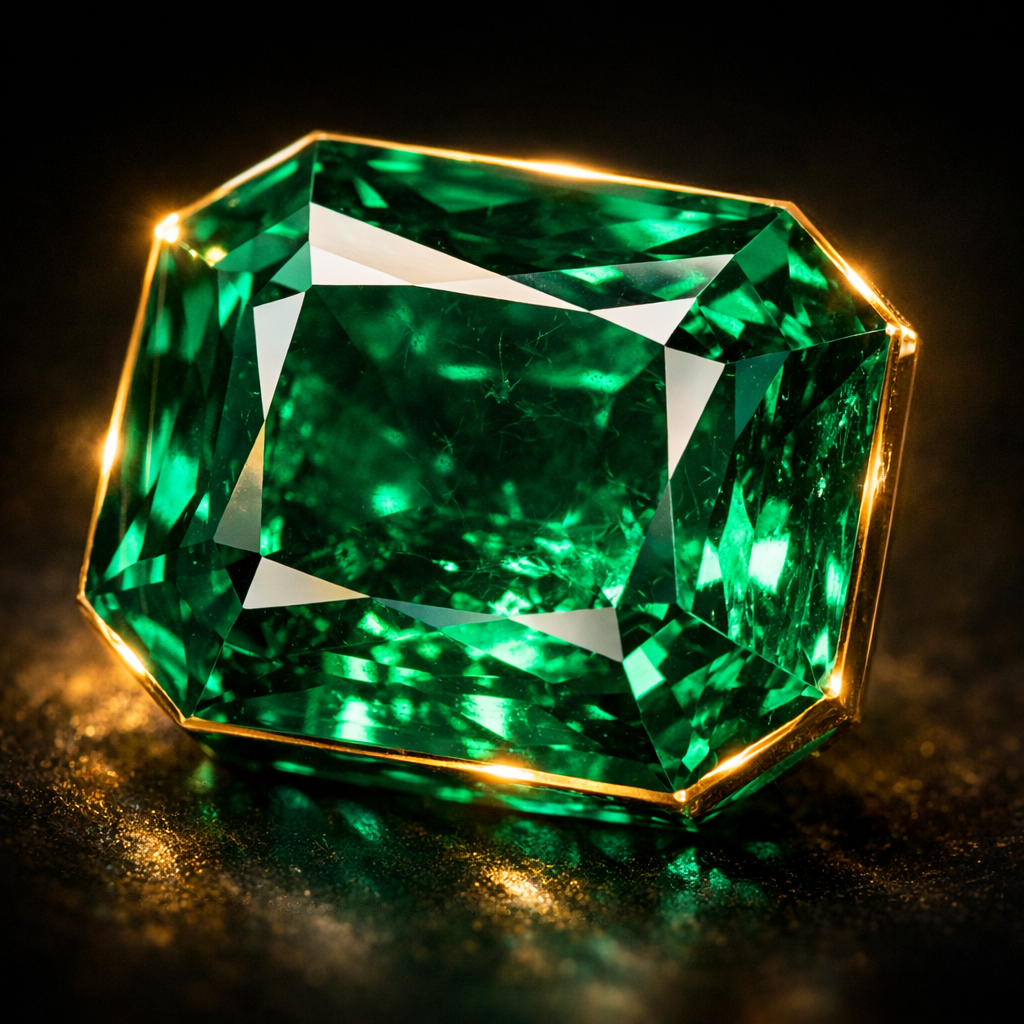
Taiwan's gemstone market, particularly for jade, coral, and other precious stones, holds a unique and significant position in the Asia-Pacific region. For serious buyers, collectors, and industry professionals, sourcing directly from a reliable gemstone wholesale Taiwan supplier or a skilled gemstone cutter Taiwan professional can unlock unparalleled value and access to exceptional pieces. However, navigating this vibrant yet complex landscape requires discernment and strategic planning. The success of your acquisition hinges entirely on the integrity and expertise of your chosen partners.
This practical guide is designed to empower you with the knowledge and tools to confidently select the best gemstone wholesalers and cutters across Taiwan. We’ll delve into essential criteria for vetting suppliers, uncover how to identify master artisans, and share best practices for negotiation and ensuring authenticity. Whether you're looking for exquisite jadeite in Taipei, sapphires in Kaohsiung, or a master craftsman to bring a rough stone to life, understanding these dynamics is crucial for securing high-quality gemstones at competitive prices.
By the end of this article, you will be equipped to make informed decisions, build lasting relationships within the Taiwanese gem trade, and avoid common pitfalls. Our aim is to provide a comprehensive roadmap for anyone seeking to choose gem supplier Taiwan can offer with confidence and peace of mind.
Key Criteria for Selecting a Reputable Gemstone Wholesaler
Identifying a trustworthy gemstone wholesale Taiwan supplier is the cornerstone of successful sourcing. The market offers a wide spectrum of vendors, from large-scale importers to specialized family-run businesses. Prioritizing certain criteria will help you sift through the options and establish robust, reliable partnerships.
Quality and Consistency of Inventory
A reputable wholesaler will maintain a consistent supply of high-quality gemstones across various grades. Look for suppliers who offer a diverse inventory, allowing you to compare different qualities, cuts, and origins. Inquire about their grading standards – do they adhere to international benchmarks (e.g., GIA for diamonds, GRS for colored stones) or have established in-house protocols? A good wholesaler should be transparent about the characteristics of their stones, including clarity, color, cut, and carat weight, and be able to provide detailed specifications or images upon request. Consistency also applies to availability; reliable partners should be able to fulfill ongoing orders without significant delays or drastic variations in quality.
Transparent Sourcing and Ethical Practices
Ethical sourcing is increasingly vital in the global gem trade. Demand transparency regarding the origin of gemstones. A reputable gem dealer Taipei or elsewhere in Taiwan should be able to provide clear provenance for their stones, ensuring they come from legitimate, conflict-free sources. This includes adherence to international regulations and, for certain stones like jade, understanding local Taiwanese regulations concerning mining and trade. Don't hesitate to ask about their supply chain practices and any certifications they hold related to responsible sourcing. Trustworthy wholesalers often have long-standing relationships with miners and cutters, giving them greater control and insight into their supply chain. For more on sourcing, read our Sourcing & Import/Export Gemstones from Taiwan: A Professional's Handbook.
Pricing and Payment Terms
While competitive pricing is always desirable, it should not be the sole determinant. Be wary of prices that seem too good to be true, as they often signal undisclosed treatments, synthetic stones, or dubious origins. A fair price reflects the stone's quality, rarity, and market value. Discuss payment terms thoroughly, including acceptable methods, deposit requirements, and payment schedules. Established wholesalers typically offer various payment options and may extend credit to long-term partners. Ensure all pricing is clearly itemized, with no hidden fees for shipping, insurance, or local taxes. It’s also wise to inquire about their return or exchange policy should a stone not meet expectations upon delivery.
Customer Service and Communication
Effective communication is paramount. A good wholesaler will be responsive, clear, and proactive in their interactions. They should be knowledgeable about their products and willing to answer all your questions comprehensively, providing expert advice without pressure. Pay attention to their after-sales support and how they handle any issues or discrepancies. Long-term partnerships are built on trust and mutual respect, which are fostered through excellent communication and a commitment to customer satisfaction. A gem supplier Taiwan values reputation will prioritize building strong relationships.
How to Find & Vet Skilled Gemstone Cutters and Artisans
Beyond sourcing rough or pre-cut stones, many professionals and serious collectors seek the expertise of master gemstone cutter Taiwan has to offer. A skilled cutter can transform a rough stone into a breathtaking masterpiece, maximizing its brilliance, color, and overall value. Finding and vetting these artisans requires a different approach than selecting wholesalers.
The Importance of a Master Cutter
The cut of a gemstone significantly impacts its beauty and value. A master cutter possesses an artistic eye, deep understanding of gemological principles, and exceptional technical precision. They know how to orient a rough stone to best enhance its color, minimize inclusions, and maximize carat yield. For unique or high-value rough, entrusting it to an inexperienced cutter can lead to irreversible damage or a mediocre outcome. Taiwan is renowned for its cutting expertise, particularly for jade and other oriental gemstones, with generations of artisans perfecting their craft. Their specialized knowledge can uncover hidden potential in a stone that a less experienced hand might miss.
Where to Look for Artisans
Finding skilled cutters often involves leveraging industry networks and local knowledge. Trade shows and exhibitions in Taipei, such as the Taiwan Jewellery & Gem Fair, are excellent places to meet cutters showcasing their work. Gemological laboratories and appraisal services may also have recommendations for reputable artisans. Word-of-mouth referrals from trusted sources within the industry, including wholesalers or jewelers, can be invaluable. Additionally, specialized workshops in areas known for fine craftsmanship, like certain districts in Taipei or Kaohsiung, might house master cutters. Exploring local markets can also lead to direct connections with artisans. To find these locations, consult our Where to Buy Gemstones in Taipei: A Buyer's Guide to Markets & Dealers.
Vetting Process: Portfolio & References
When evaluating a gemstone cutter Taiwan, always request to see their portfolio of previous work. This allows you to assess their cutting style, precision, and ability to handle different types of gemstones. Look for consistency in their work and examples of complex cuts or challenging materials. Ask for references from clients they have worked with previously, especially those who entrusted them with valuable stones. A professional cutter will be transparent about their experience, techniques, and the tools they use. Discuss their turnaround times and how they handle insurance for stones in their care. A clear contract outlining the scope of work, expected outcomes, and pricing structure is essential before commissioning any work.
Navigating Taiwan's Gem Market: Local Insights and Best Practices
Understanding the local nuances of Taiwan's gem market is crucial for successful sourcing and building lasting relationships. The island's unique cultural context and specific regional specializations require a thoughtful approach. Engaging with the market effectively means respecting local customs and leveraging available resources.
Understanding Regional Specializations
Taiwan's gemstone market isn't monolithic; different cities and regions may specialize in certain types of stones or trade activities. Taipei, as the capital, serves as a central hub for high-end jewelry, international brands, and a diverse range of imported gemstones, making it a key location for any gem dealer Taipei is home to. Kaohsiung, with its historical port connections, has a strong presence in the wholesale trade of rough and polished stones, especially for colored gemstones. Taichung is also emerging as a significant player in the jewelry manufacturing sector. Jade, particularly high-quality jadeite, is found across the island but is deeply embedded in Taiwanese culture and trade networks. Understanding these regional concentrations can help you focus your search and connect with the most appropriate suppliers for your specific needs.
Cultural Nuances in Negotiation
Business in Taiwan, like much of Asia, places a high value on personal relationships and respect. While directness is appreciated, patience and politeness during negotiations are paramount. Building rapport, often over tea or a meal, can be as important as the initial business discussion. Bargaining is common in many markets, but for high-value transactions with established wholesalers, a more formal approach with clear justifications for your offers is advisable. Avoid aggressive tactics, which can be counterproductive. Be prepared to discuss prices in detail, but always with a respectful demeanor. Understanding a few basic phrases in Mandarin Chinese can also go a long way in showing respect and building trust, even if the primary business language is English.
Leveraging Local Networks and Digital Platforms
To truly integrate into Taiwan's gem scene, tapping into local networks is invaluable. Attending industry events, joining trade associations (if applicable), and seeking introductions from trusted contacts can open doors to suppliers and artisans you might not find otherwise. Online platforms and specialized directories are also becoming increasingly important resources for finding reputable suppliers and verifying credentials. Digital platforms can offer a centralized way to discover new contacts, access market insights, and even streamline parts of the sourcing process. For a comprehensive overview of the market, explore Gems.tw: Your Gateway to Taiwan's $1 Billion Gemstone Market. Utilizing a combination of traditional networking and modern digital tools will provide the most effective strategy for navigating the market.
Ensuring Authenticity and Value: Certification and Due Diligence
In the world of gemstones, authenticity is everything. The value of a stone can be drastically altered by treatments, synthetic origins, or misidentification. Exercising thorough due diligence, especially concerning certification, is not merely a best practice; it's a fundamental requirement for anyone operating in Taiwan's gemstone market.
The Role of Gemstone Certification
For valuable gemstones, independent third-party certification is non-negotiable. Reputable laboratories like GIA (Gemological Institute of America), GRS (GemResearch Swisslab), and SSEF (Swiss Gemmological Institute) provide unbiased reports detailing a stone's identity, natural origin, quality characteristics (e.g., the 4 Cs for diamonds), and any detected treatments. These reports serve as an authoritative guarantee, protecting both buyer and seller. Always insist on a valid, recent certificate from a globally recognized lab for significant purchases. For jade, specialized analysis like FTIR (Fourier Transform Infrared Spectroscopy) is crucial for distinguishing between jadeite and nephrite, and for detecting polymer impregnation. Understanding these certifications is critical. Learn more in our guide on Gemstone Certification in Taiwan: A Guide to Labs (GIA, GRS, SSEF) & Jade FTIR.
Recognizing Treatments and Synthetics
The gem industry sees constant advancements in treatments and synthetic production. While some treatments (like heating sapphire) are common and accepted, they must always be disclosed as they impact value. Undisclosed treatments or the sale of synthetics as natural stones are unethical and illegal practices. Familiarize yourself with common treatments for the specific gemstones you're interested in. Visually, trained eyes can often spot signs of treatment, but laboratory testing provides definitive proof. Always be suspicious of prices that are significantly lower than market averages for seemingly high-quality stones. Educating yourself on the tell-tale signs of synthetics versus natural stones, or working with a trusted gemologist, is a powerful defense against fraud.
Building Long-Term Trust
Ultimately, successful and secure sourcing in Taiwan comes down to building long-term, trusting relationships. This means working repeatedly with verified wholesalers and cutters who consistently demonstrate integrity, transparency, and product knowledge. Over time, these relationships can lead to better access to rare stones, preferential pricing, and invaluable insights into market trends. Regular communication, fair dealings, and mutual respect form the bedrock of such partnerships. By consistently applying stringent due diligence and fostering trust, you ensure not only the authenticity and value of your gemstone acquisitions but also a reliable and ethical supply chain for years to come.
FAQ: Sourcing Gemstones in Taiwan
Q1: What's the best way to verify the authenticity of a gemstone purchased in Taiwan?
A1: Always request a third-party certification from a globally recognized gemological laboratory like GIA, GRS, or SSEF for high-value gemstones. For jade, ensure FTIR analysis is provided to confirm type and detect treatments. If a certificate isn't offered, consider getting an independent appraisal.
Q2: Is bargaining common when buying gemstones from wholesalers in Taiwan?
A2: While bargaining is prevalent in some retail markets, with established gemstone wholesalers, negotiations are more formal. Focus on building rapport and justifying your offers based on market rates and quality. Aggressive bargaining is generally not well-received.
Q3: How can I find a specialized gemstone cutter for a unique rough stone?
A3: Look for cutters at major industry trade shows in Taiwan, ask for referrals from trusted wholesalers or gemologists, and explore artisan workshops in areas known for fine craftsmanship. Always review their portfolio and request client references.
Q4: Are there specific regions in Taiwan known for certain types of gemstones or trade?
A4: Yes, Taipei is a hub for high-end jewelry and diverse imported stones. Kaohsiung is strong in wholesale rough and polished colored gemstones. Jade trade is significant across the island, with specialized markets and artisans. Knowing these concentrations can streamline your search.
Q5: What are the biggest risks to watch out for when buying gemstones in Taiwan?
A5: Key risks include undisclosed treatments, synthetic stones being passed off as natural, misidentification, and inflated prices. Mitigate these risks by demanding third-party certification, understanding market values, and working with reputable, transparent suppliers.
Conclusion
Navigating Taiwan's dynamic gemstone market presents both exciting opportunities and unique challenges. By meticulously applying the criteria outlined in this guide – focusing on quality, ethical sourcing, transparent pricing, and strong communication – you can confidently choose gem supplier Taiwan offers. Whether you are seeking a reliable gemstone wholesale Taiwan partner or a master gemstone cutter Taiwan artisan, due diligence is your most valuable tool.
Remember that successful sourcing is built on trust and informed decisions. Insist on comprehensive certification for authenticity, understand regional market nuances, and approach negotiations with respect and patience. By fostering strong relationships with reputable professionals, you secure not only exceptional gemstones but also a valuable network within this vibrant industry.
For industry professionals and serious investors looking to solidify their presence and leadership in this lucrative market, the digital asset Gems.tw offers an unparalleled opportunity. It's more than just a domain; it's the definitive gateway to Taiwan's gemstone trade. Seize the future of your gem business. Explore the investment value of Gems.tw and make an offer today.
Related Resources
- Gemstone guides: jade, sapphire, ruby, emerald, diamond, pearl
- Taiwan gemstone market data and jewelry districts
- Gemstone prices and certification standards
- Bilingual gemology glossary (EN / 繁體中文)
- Directory of gem professionals in Taiwan
Building or expanding a gemstone business in Taiwan? The premium domain Gems.tw is currently available to acquire — make an offer.