Detecting Treated & Synthetic Gemstones in Taiwan: Avoid Undisclosed Practices
Learn to detect treated and synthetic gemstones in Taiwan. This guide empowers buyers and professionals with practical methods, essential tools, and the critical role of lab reports (GIA, GRS, SSEF, FTIR) to prevent fraud and ensure authenticity in your purchases.
Also available in 繁體中文
Detecting Treated & Synthetic Gemstones in Taiwan: Avoid Undisclosed Practices
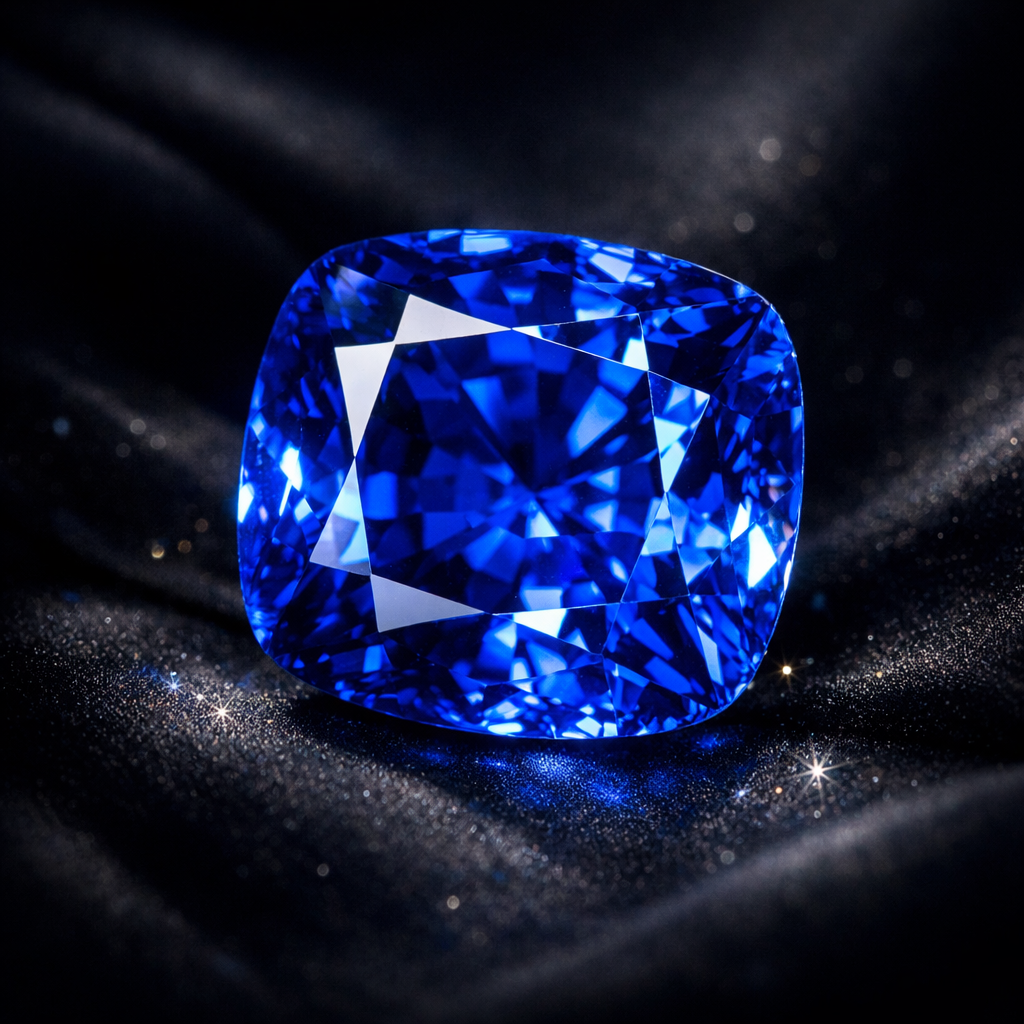
Taiwan's vibrant gemstone market offers an alluring array of precious stones, from exquisite jade to dazzling diamonds and vibrant sapphires. However, as with any global hub, it also presents challenges for buyers and professionals alike: the prevalence of treated and synthetic gemstones, often sold without full disclosure. Effectively detecting treated & synthetic gemstones in Taiwan is crucial for maintaining trust, ensuring fair value, and safeguarding your investment. Undisclosed practices not only devalue a stone but can also erode confidence in the market as a whole.
This comprehensive guide is designed to empower you, whether you're a seasoned collector, a budding enthusiast, or a professional trader. We will delve into the common types of enhancements and lab-created stones you might encounter, equip you with practical detection methods that range from simple visual inspections to understanding advanced gemological tools, and underscore the non-negotiable importance of reputable laboratory certifications. By understanding these nuances, you can navigate Taiwan's gemstone landscape with greater confidence and secure genuinely authentic, high-quality treasures.
Common Gemstone Treatments and Synthetics in the Market
The world of gemstones is complex, with many natural stones undergoing various processes to enhance their appearance. These treatments are not inherently bad, but their non-disclosure significantly impacts a gem's value and desirability. Simultaneously, advancements in technology have led to increasingly sophisticated synthetic gemstones that mimic their natural counterparts. Understanding both categories is the first step in gemstone fraud prevention.
Why Treatments Exist
Gemstone treatments are applied to improve a stone's color, clarity, or durability. Heating is one of the oldest and most common treatments, used to intensify the color of rubies and sapphires or reduce the brownish tones in some diamonds. Fracture filling involves introducing a foreign substance, like resin or glass, into surface-reaching fissures to improve clarity, often seen in emeralds and rubies. Dyeing is used to impart or enhance color, particularly in porous stones like jade or chalcedony. Diffusion treatments alter the color by introducing coloring agents into the crystal lattice, common for sapphires. Irradiation, often followed by heating, can create or intensify color in diamonds, topazes, and other stones. The key takeaway is that an untreated natural gemstone is significantly rarer and often more valuable than its treated counterpart, making disclosure paramount.
Prevalent Synthetics in Taiwan's Market
Synthetic gemstones, also known as lab-grown or created stones, possess the same chemical, physical, and optical properties as their natural equivalents but are grown in a laboratory rather than formed in the earth. In Taiwan, you'll frequently encounter:
- Lab-grown Diamonds: Chemically and structurally identical to natural diamonds, but distinguishable by growth patterns and specific inclusions under magnification.
- Created Rubies, Sapphires, and Emeralds: These are produced using methods like flux growth or hydrothermal synthesis, yielding stones that can be visually stunning and difficult to distinguish without expert examination.
- Synthetic Spinel and Corundum: Often used as simulants for other gems, they lack the unique internal characteristics of natural stones.
- Synthetic Jade Simulants: While true jade (jadeite or nephrite) is a natural stone, various imitations made from plastic, glass, or other minerals are common. These are not synthetic jade but rather simulants. However, "B-jade" and "C-jade" are natural jadeite that has been bleached, polymer-impregnated, or dyed, significantly impacting their value and requiring careful detection.
The challenge with both treatments and synthetics lies in their increasing sophistication. Without proper knowledge and tools, distinguishing them from natural, untreated stones can be nearly impossible for the untrained eye. This underscores the need for practical detection methods and, ultimately, professional certification.
Practical Detection Methods for Buyers and Professionals
While definitive identification often requires sophisticated laboratory equipment, there are several practical steps and tools that both buyers and professionals can employ to raise red flags and inform their purchasing decisions. These methods serve as initial filters in identifying synthetic gemstones in Taiwan.
Macroscopic & Microscopic Clues
A keen eye and a 10x jeweler's loupe are your best friends. Here’s what to look for:
- Color Zoning: In natural rubies and sapphires, color is often unevenly distributed, showing bands or patches of lighter and darker hues. Synthetics tend to have very even, uniform color.
- Inclusions: Natural gemstones typically contain "fingerprints" – tiny crystals, gas bubbles, or growth patterns (like silk in sapphire or emeralds) formed during their geological creation. Synthetics might show different types of inclusions, such as curved growth striae (flux-grown) or gas bubbles with a specific shape (flame fusion). B-jade, for instance, often reveals white spots and cloudy areas after acid treatment, and an orange-peel texture on the surface.
- Surface Features: Look for any unnatural-looking residues or coatings, especially in fracture-filled stones. These might appear as iridescent flashes (flash effect) within the fractures. Overly smooth, plastic-like surfaces can also be a red flag for simulants.
- Facet Junctions: Under magnification, the edges where facets meet on a synthetic stone might appear sharper or more uniform than on a natural, hand-cut stone.
These visual clues are indicators, not proof. They suggest further investigation but can save you from obvious misrepresentations. For a deeper dive into discerning quality, consider exploring our guide on Where to Buy Gemstones in Taipei: A Buyer's Guide to Markets & Dealers.
Essential Tools for the Discerning Buyer
Beyond a loupe, a few affordable tools can enhance your detection capabilities:
- UV Light (Ultraviolet Lamp): Many gemstones react uniquely under UV light. Some treated stones or synthetics might fluoresce differently than their natural, untreated counterparts. For example, some synthetic diamonds fluoresce strongly blue, while some natural ones do not. B-jade often shows a strong, greenish-white fluorescence under long-wave UV due to the polymer filler.
- Chelsea Filter: Primarily used for distinguishing certain emeralds and some blue/green stones. It can help differentiate natural emeralds (which often appear red or pinkish) from some treated or synthetic emeralds (which may appear green or even red depending on the origin).
- Refractometer (Professional Tool): This instrument measures a gemstone's refractive index (RI), a fundamental optical property. Each gemstone has a specific RI range, and a refractometer can quickly rule out many simulants if their RI falls outside the expected range.
- Specific Gravity Liquids (Professional Tool): Different gemstones have different densities. By submerging a stone in a series of calibrated liquids, a gemologist can determine its specific gravity, another key identification factor.
While basic observation and a good loupe are excellent starting points, a professional gemologist or a reputable laboratory provides the ultimate assurance. When making significant purchases in Taiwan's bustling markets, such as the famous wholesale districts, arming yourself with knowledge from resources like Taiwan's Gemstone & Jade Wholesale Markets: Your Professional Sourcing Guide is invaluable.
The Non-Negotiable Role of Lab Reports in Verifying Authenticity
In an era where treatments are increasingly undetectable by the naked eye and synthetics are virtually indistinguishable without advanced equipment, a reputable laboratory report is not just a recommendation—it's a critical component of smart gemstone purchasing. This is especially true when dealing with high-value items where gemstone fraud prevention is paramount.
Understanding Reputable Certifications
A laboratory report from a recognized gemological institute provides an unbiased, expert assessment of a gemstone's identity, characteristics, and most importantly, any detected treatments. Key international labs include:
- GIA (Gemological Institute of America): Widely respected for diamond grading (4Cs) and colored gemstone identification. Their reports are known for their consistency and reliability.
- GRS (GemResearch SwissLab): Specializes in colored gemstones, particularly rubies and sapphires, offering detailed reports on origin and treatment status.
- SSEF (Swiss Gemmological Institute): Another highly regarded Swiss lab, known for its expertise in pearls, colored gemstones, and natural origin verification.
These labs utilize sophisticated equipment and highly trained gemologists to analyze internal structures, chemical compositions, and spectral responses that are beyond the scope of basic tools. Their findings are summarized in a report, often with a unique identifying number that can be verified online. Always ensure the stone's physical characteristics (weight, dimensions) match the report, and be wary of outdated or poorly copied reports.
FTIR for Jade: A Critical Tool
For jade, especially jadeite, Fourier Transform Infrared Spectroscopy (FTIR) is an indispensable analytical technique. Jade is frequently treated with acid to improve its color and clarity, and then polymer-impregnated to enhance its transparency and durability (known as B-jade). These treatments significantly reduce its value and are often difficult to detect visually.
- FTIR Analysis: This non-destructive method detects the presence of polymers or other foreign substances within the jade structure that indicate treatment. A "Type A" jade is natural, untreated jadeite. "Type B" jade has been polymer-treated. "Type C" jade has been dyed. An FTIR report can definitively classify jade, protecting buyers from undisclosed B-jade or C-jade. Given the cultural significance and value of jade in Taiwan and across Asia, understanding and insisting on FTIR reports for significant jade purchases is crucial.
Understanding the nuances of these reports and knowing which labs to trust is vital. For more detailed information on local options and procedures, consult our dedicated resource on Gemstone Certification in Taiwan: A Guide to Labs (GIA, GRS, SSEF) & Jade FTIR.
Navigating Taiwan's Gemstone Market: Due Diligence & Trust
Taiwan's gemstone market, while rich in opportunity, demands informed and cautious engagement. Successfully sourcing genuine, high-quality gemstones and avoiding undisclosed practices hinges on thorough due diligence and building relationships with trustworthy vendors.
Identifying Reputable Sellers
The foundation of a safe purchase lies in the seller. Reputable dealers will:
- Provide Full Disclosure: They openly state any treatments a gemstone has undergone, often including it on the sales invoice. Transparency is a hallmark of integrity.
- Offer Certification: They are willing, and often eager, to provide a reputable lab report for higher-value stones or allow for third-party appraisal.
- Have a Physical Presence and History: Established businesses, especially those with a long-standing reputation in districts like Taipei's jewelers' row or in Kaohsiung's gem trade centers, tend to be more reliable.
- Educate Their Customers: A good dealer takes the time to explain the stone's characteristics, potential treatments, and the significance of certification.
- Offer Clear Return Policies: Trustworthy sellers stand behind their products.
Developing long-term relationships with such dealers is often the safest path, particularly for professional buyers. You can find guidance on this in our article Choosing a Gemstone Wholesaler or Cutter in Taiwan: A Practical Guide.
Red Flags and Buyer Beware
Be vigilant for the following warning signs:
- Unrealistically Low Prices: If a deal seems too good to be true, it almost always is. High-quality, untreated natural gemstones command premium prices.
- Vague or Evasive Descriptions: Sellers who avoid directly answering questions about treatments, origin, or material type should be approached with extreme caution.
- Resistance to Third-Party Appraisal or Certification: Any seller who discourages you from obtaining an independent lab report or appraisal is a significant red flag.
- No Invoice or Generic Documentation: Insist on a detailed invoice that clearly describes the gemstone, its weight, dimensions, and, crucially, any treatments.
- High-Pressure Sales Tactics: Reputable dealers allow you time and space to make an informed decision.
By staying informed and exercising caution, you can navigate Taiwan's exciting gemstone market with confidence, securing valuable additions to your collection or inventory. For comprehensive insights into the broader market, explore Gems.tw: Your Gateway to Taiwan's $1 Billion Gemstone Market.
FAQ
What is a 'treated' gemstone?
A treated gemstone is a natural stone that has undergone human-controlled processes, such as heating, dyeing, or fracture filling, to improve its appearance (color, clarity) or durability. While many treatments are common and accepted, full disclosure of these treatments is essential as they can significantly affect a stone's value.
Are synthetic gemstones worthless?
No, synthetic gemstones are not worthless, but their value is significantly lower than their natural counterparts because they are lab-created. They possess the same chemical and physical properties as natural stones and can be beautiful, but they should always be sold and purchased with clear disclosure of their synthetic origin.
Can I detect gemstone treatments with just my eyes?
While some obvious treatments (like heavy fracture filling or dyeing) might be visible with the naked eye or a 10x loupe, most sophisticated treatments and synthetics are extremely difficult, if not impossible, for an untrained eye to detect. Professional gemological tools and laboratory expertise are often required for definitive identification.
Why is certification so important for gemstone purchases in Taiwan?
Certification from a reputable gemological laboratory (like GIA, GRS, SSEF, or a lab providing FTIR for jade) provides an unbiased, scientific report on a gemstone's identity, quality, and crucially, any treatments. In a market where undisclosed practices can be prevalent, certification offers essential protection for buyers, ensuring authenticity and fair value.
Conclusion
Navigating the complexities of detecting treated & synthetic gemstones in Taiwan requires a combination of knowledge, vigilance, and trust in professional expertise. The allure of exquisite stones can sometimes overshadow the importance of due diligence, leading to potential disappointments or financial losses. By understanding common treatments and synthetics, familiarizing yourself with practical detection methods, and recognizing the non-negotiable role of reputable lab reports, you empower yourself to make informed decisions.
Remember, transparency is the cornerstone of ethical gemstone trade. Always insist on clear disclosure from sellers and prioritize third-party certification for significant purchases. Whether you are a collector expanding your treasured possessions or a professional sourcing for your business, your commitment to authenticity safeguards your investment and upholds the integrity of the gemstone market. Empower yourself with knowledge, connect with trusted sources, and let your passion for gemstones flourish with confidence. Explore Gems.tw for more trusted resources and insights into Taiwan's dynamic gemstone industry.
Related Resources
- Gemstone guides: jade, sapphire, ruby, emerald, diamond, pearl
- Taiwan gemstone market data and jewelry districts
- Gemstone prices and certification standards
- Bilingual gemology glossary (EN / 繁體中文)
- Directory of gem professionals in Taiwan
Building or expanding a gemstone business in Taiwan? The premium domain Gems.tw is currently available to acquire — make an offer.